
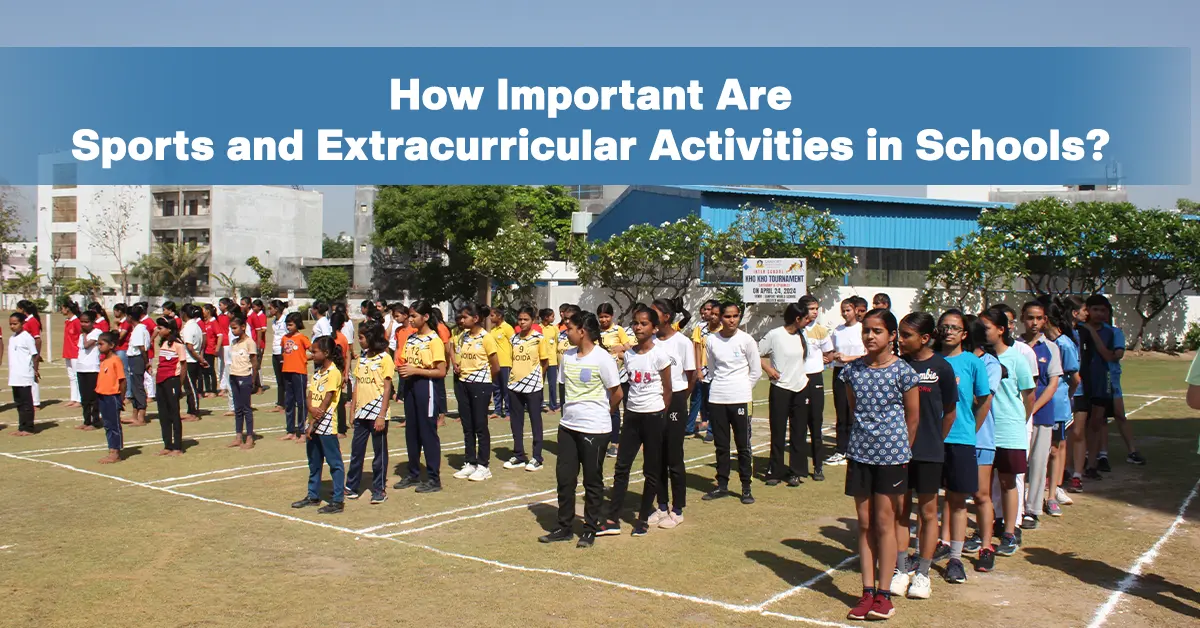
Education is not just about textbooks, examinations, and marks. It is also about helping children develop the skills, confidence, and values they need to face the world. While classroom learning builds knowledge, sports and extracurricular activities teach children many important lessons that cannot always be learned from books.
From learning how to work in a team to accepting defeat with grace, these experiences shape a child’s personality in meaningful ways. They give students opportunities to discover their interests, express themselves, build relationships, and learn from real-life situations.
This is why sports and extracurricular activities should not be treated as optional additions to education. They are an important part of a child’s overall development.
1. Sports Teach Discipline and Consistency
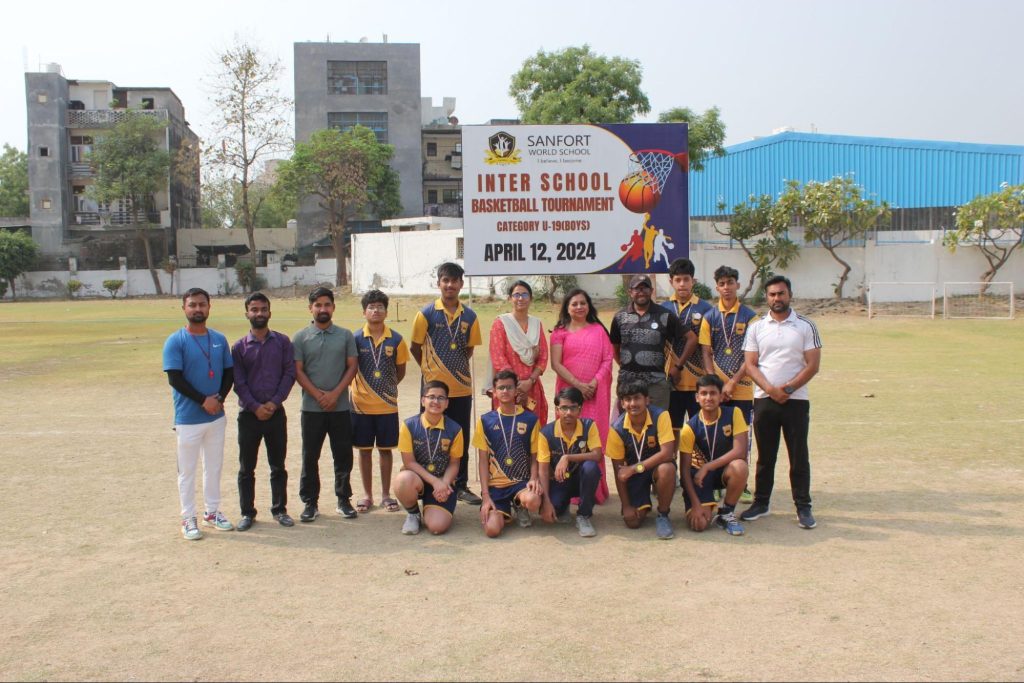
Success in sports rarely comes overnight. It requires regular practice, patience, effort, and the willingness to improve. Students learn that progress comes from showing up, following instructions, and working towards a goal even when the results are not immediate.
These habits extend beyond the playground. Children who learn the importance of practice and consistency can apply the same approach to their studies, personal goals, and everyday responsibilities.
Sports also teach students to respect rules, listen to their coaches, and understand the importance of fair play. These lessons help them develop self-discipline and a sense of responsibility.
2. They Help Children Stay Physically Fit and Active
Regular physical activity plays an important role in children’s health and well-being. Running, swimming, playing football, practising gymnastics, or participating in other sports helps children develop strength, stamina, balance, and coordination.
Physical activity also gives students a healthy break from sitting in classrooms and spending time in front of screens. It can help them manage stress, improve their mood, and return to their studies feeling refreshed.
When children develop an interest in sports at an early age, they are more likely to understand the value of staying active and maintaining healthy habits as they grow older.
3. Sports Build Teamwork and Leadership Skills
In a team sport, individual talent is not always enough to win. Players must communicate, trust one another, understand their responsibilities, and work towards a common goal.
These experiences teach children how to cooperate with people who may have different strengths, opinions, and playing styles. They learn when to take the lead, when to support others, and how to contribute to a shared objective.
Leadership also involves making decisions under pressure, encouraging teammates, and taking responsibility when things do not go as planned.
These are valuable skills that students can carry into group projects, future workplaces, and everyday relationships.
4. Children Learn to Accept Defeat and Try Again
Winning feels good, but losing can teach some of life’s most valuable lessons.
A student who loses a match learns that disappointment is a part of life. They may feel upset initially, but with the right guidance, they can learn to analyse their mistakes, recognise areas for improvement, and prepare for the next opportunity.
Sports teach children that one defeat does not define them. What matters is how they respond to it.
They also learn to respect their opponents, congratulate the winners, and accept results without blaming others. At the same time, winning teaches them to remain humble and appreciate the efforts of their teammates.
This balance helps children develop resilience, a positive attitude towards challenges, and the determination to keep improving.
5. Sports Develop a Winning Mindset
A winning mindset is not simply about wanting to come first. It is about believing in the value of effort, preparing well, staying focused, and refusing to give up when something becomes difficult.
During a game, students often have to make quick decisions, adjust their strategies, and remain calm under pressure. They learn to focus on what they can control rather than becoming discouraged by setbacks.
These experiences help children approach challenges with greater confidence. Whether they are preparing for an examination, learning a new skill, or working towards a personal goal, the ability to stay determined and learn from mistakes can make a real difference.
6. Extracurricular Activities Help Children Express Themselves
Not every child expresses themselves through sports. Some children find their confidence through painting, music, dance, drama, or other creative activities.
Extracurricular activities give students the freedom to explore these interests and discover what they enjoy. A child who hesitates to speak in class may feel more comfortable performing on stage. Another may discover a talent for drawing, singing, or storytelling.
These experiences help children communicate their ideas, express their emotions, and become more comfortable sharing their abilities with others.
They also learn to appreciate different forms of creativity and understand that every student has something valuable to contribute.
7. Creative Activities Encourage Imagination and Problem-Solving
Art, craft, music, drama, and similar activities encourage children to think beyond familiar answers. They experiment with ideas, make decisions, solve problems, and learn that there can be more than one way to approach a task.
For example, creating an artwork requires students to make choices about colours, shapes, and composition. Preparing a performance requires planning, coordination, practice, and attention to detail.
Such activities develop imagination while teaching patience and the importance of improving one’s work through practice.
These skills are useful in academics too, particularly when students need to think independently, approach problems creatively, or explain their ideas in different ways.
8. Students Develop Communication and Social Skills
School activities often bring together students with different personalities, interests, and abilities. Whether they are preparing for a dance performance, participating in a football match, or working on an art project, children learn how to interact with others.
They practise listening, sharing ideas, resolving disagreements, and giving and receiving feedback. They also learn how to encourage their peers and ask for help when needed.
For students who are shy or hesitant to participate, these activities can provide opportunities to gradually build confidence in a supportive environment.
Over time, such experiences can help children become better communicators and more comfortable working with others.
9. Extracurricular Activities Teach Time Management and Responsibility
Balancing academics with sports and other activities requires planning. Students must learn to manage their time, attend practice sessions, complete assignments, and fulfil their responsibilities.
This helps them understand that pursuing different interests requires organisation and commitment.
They also learn to take care of their equipment, arrive on time, follow instructions, and complete tasks they have agreed to undertake.
These everyday habits encourage independence and prepare students to manage greater responsibilities as they grow older.
10. Sports and Activities Help Children Discover Their Strengths
Every child has different interests and abilities. Some may excel academically, while others may discover their strengths in athletics, swimming, music, dance, painting, or public speaking.
Providing opportunities to explore different activities helps children understand what they enjoy and where they may have potential.
Even when a child does not become an expert in a particular activity, the experience can still be valuable. Trying something new teaches them to step outside their comfort zone, practise patiently, and become more open to new experiences.
This is an important part of growing up because children need opportunities to discover their strengths rather than being defined only by their academic performance.
How Sanfort World School, a CBSE School Near Pari Chowk, Greater Noida, Gives Equal Importance to Sports and Extracurricular Activities

At Sanfort World School, Greater Noida, we believe that education should prepare children for life, not just examinations. Academic learning is essential, but so are physical fitness, creativity, confidence, teamwork, and the ability to handle challenges.
That is why we give importance to sports, games, and extracurricular activities alongside classroom learning. We want our students to have opportunities to explore their interests, develop their abilities, and learn lessons that extend beyond their textbooks.
Sports and Physical Activities
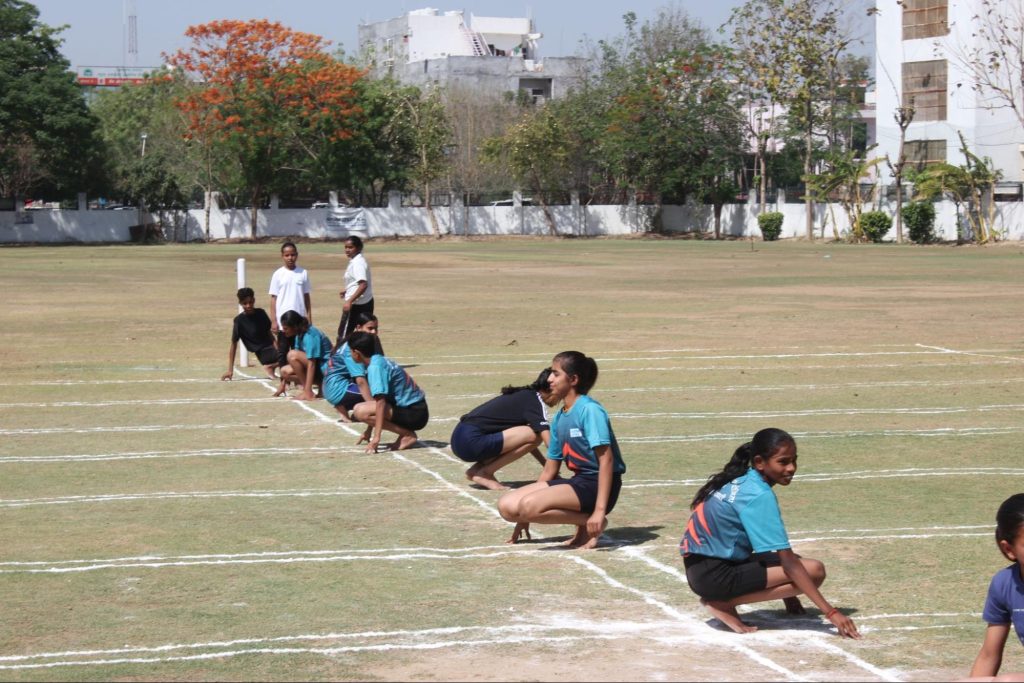
Our students have opportunities to participate in a variety of sports and physical activities, including:
- Cricket, football, basketball, and badminton: To develop teamwork, coordination, discipline, and strategic thinking.
- Swimming: To build water confidence, improve physical fitness, and develop swimming skills under appropriate supervision.
- Skating and gymnastics: To practise balance, coordination, flexibility, and perseverance.
- Taekwondo: To develop discipline, focus, self-control, and respect.
- Yoga: To encourage flexibility, body awareness, concentration, and relaxation.
These activities give students opportunities to challenge themselves, learn new skills, and understand the importance of regular practice.
Art, Music, Dance, and Creative Expression
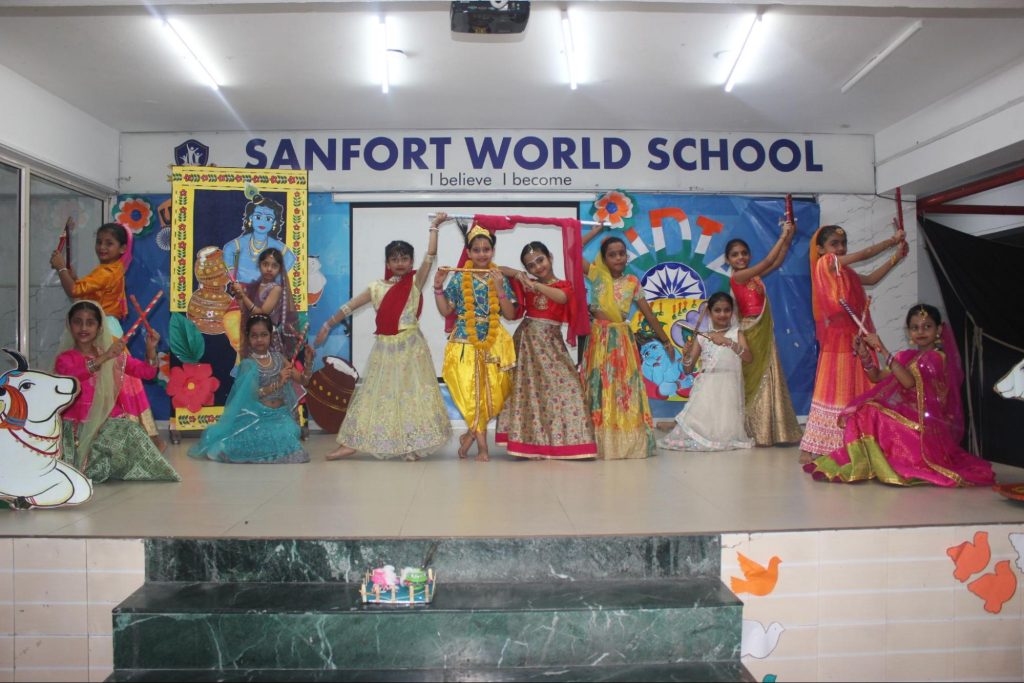
We also encourage students to explore their creative interests through activities such as art, craft, music, dance, and drama.
These activities allow children to express themselves in different ways, develop their imagination, and build confidence through practice and participation. They also provide opportunities to work with peers, prepare for performances, and appreciate different forms of creative expression.
Life Skills and Hands-On Learning
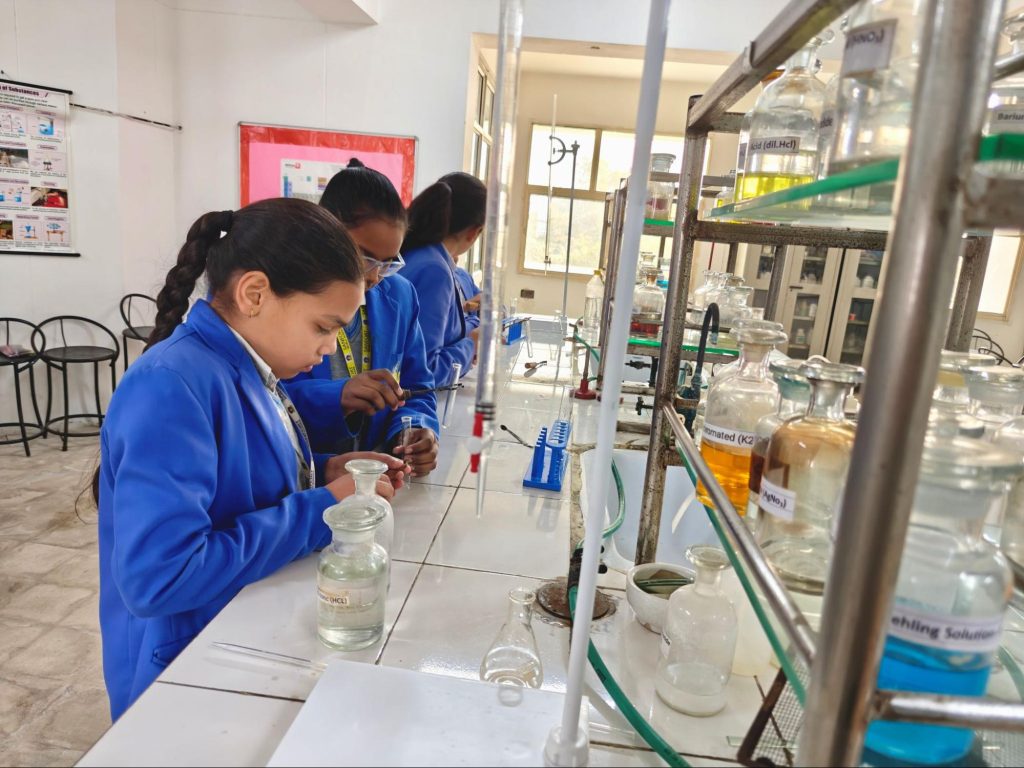
Learning beyond textbooks also includes developing practical skills and a sense of responsibility. At Sanfort World School, activities such as robotics, life skills sessions, and club-based projects provide opportunities for students to explore ideas, solve problems, collaborate with others, and learn through experience.
Initiatives such as the Eco Care Club encourage environmental awareness through activities like plantation drives and recycling projects. Our Culinary Club introduces students to basic cooking skills, teamwork, and healthy eating habits. These experiences help children connect what they learn at school with situations they may encounter in everyday life.
At Sanfort World School, a CBSE schools near Pari Chowk, Greater Noida, we encourage students to explore their creativity, develop practical life skills, and discover their interests through engaging extracurricular activities and hands-on learning experiences.
Why Sports and Extracurricular Activities Matter Alongside Academics
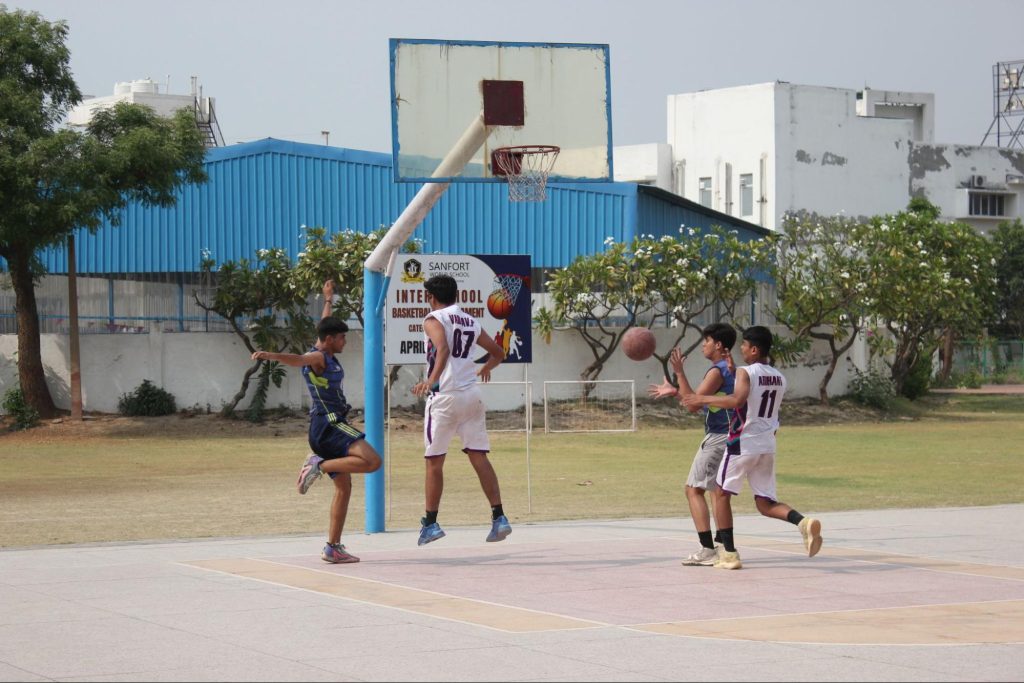
Academic knowledge opens doors, but children also need confidence, discipline, communication skills, resilience, and the ability to work with others. These qualities develop through a combination of classroom learning and real-life experiences.
Sports teach students how to compete fairly, accept setbacks, and keep trying. Creative activities give them opportunities to express themselves and discover their talents. Group activities help them understand cooperation, responsibility, and respect for others.
At Sanfort World School, we believe these experiences deserve a meaningful place in a child’s education. Our aim is to help students grow academically while also developing the physical, social, emotional, and creative skills they need for the future.
Because a child’s success is not measured by marks alone. It is also reflected in their confidence, character, curiosity, and willingness to keep learning.
Frequently Asked Questions (FAQs)
1. Why are sports and extracurricular activities important in schools?
Sports and extracurricular activities help children develop physical fitness, discipline, teamwork, leadership, creativity, and confidence. They also teach students how to handle challenges, accept defeat, celebrate success, and work towards their goals.
2. What should parents look for when choosing a school near Pari Chowk, Greater Noida?
Parents should look for a school that balances academics with sports, creative activities, and practical learning. Sports facilities, activity spaces, trained instructors, and opportunities for students to participate in different activities are important factors to consider.
3. What sports and extracurricular activities does Sanfort World School offer?
Sanfort World School offers activities including cricket, football, basketball, badminton, swimming, skating, gymnastics, Taekwondo, and yoga. Students can also explore art, craft, music, dance, drama, and other activities that support their physical and creative development.
4. How do sports help students develop leadership and teamwork skills?
Sports encourage students to communicate, cooperate, make decisions, and work towards a common goal. They also teach children to take responsibility, support their teammates, respect opponents, and handle both victories and defeats positively.
5. How do extracurricular activities help children beyond academics?
Extracurricular activities help children discover their interests, express themselves, and develop communication, creativity, problem-solving, and time-management skills. These experiences also help students build confidence and become more comfortable trying new things.
6. Does Sanfort World School give equal importance to academics and extracurricular activities?
Yes, Sanfort World School believes that education extends beyond textbooks and examinations. Alongside academic learning, the school encourages students to participate in sports, creative activities, and hands-on learning experiences that support their overall development.
7. Why should parents consider Sanfort World School when looking for a school near Pari Chowk?
Parents considering a school near Pari Chowk, Greater Noida, can explore Sanfort World School for its combination of academic learning, sports facilities, extracurricular activities, and opportunities to develop practical life skills. Visiting the campus can help parents understand the school’s learning environment and available facilities.
8. How can parents visit Sanfort World School to learn about its sports and extracurricular facilities?
Parents can contact the Sanfort World School admissions team to arrange a campus visit. During the visit, they can explore the available sports and activity facilities and learn more about the school’s academic programme and extracurricular opportunities.